
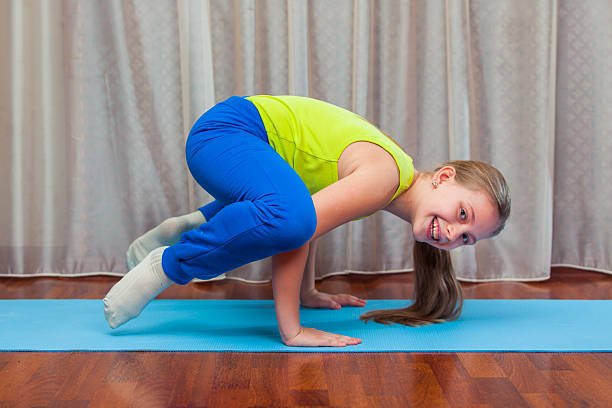
In today’s fast-paced academic environment, children often experience physical strain, reduced outdoor activity, and increasing screen time. Introducing simple yoga poses into their daily routine can significantly support their physical health, emotional balance, and mental focus. Yoga for children is not about complex postures or intense flexibility; rather, it focuses on gentle movements, breathing awareness, and relaxation.
This guide explores safe, age-appropriate yoga poses that help children stay active, calm, and confident. Designed for parents and educators, it provides structured insights into how yoga contributes to holistic child development.
Why Simple Yoga Poses Are Beneficial for Children
Regular practice of simple yoga poses supports multiple areas of development:
- Improves flexibility and posture
- Enhances concentration and memory
- Reduces stress and anxiety
- Strengthens muscles and coordination
- Encourages mindfulness and emotional regulation
Educational institutions that emphasize holistic growth—including several reputed best schools in Bangalore—often integrate yoga sessions into their curriculum to promote balanced development.
How Yoga Supports Physical Development in Kids
Children are naturally active, but structured physical engagement enhances body awareness and coordination. Yoga helps by:
- Strengthening core muscles
- Improving balance and stability
- Supporting healthy spine alignment
- Increasing lung capacity through breathing exercises
Unlike competitive sports, yoga encourages self-paced improvement. This makes it accessible to children of varying fitness levels.
Simple Yoga Poses Kids Can Practice Daily
Below are beginner-friendly poses that are safe, enjoyable, and effective.
1. Mountain Pose (Tadasana)
Benefits:
- Improves posture
- Enhances body awareness
- Builds focus
Children stand straight with feet together, arms relaxed at the sides, and shoulders aligned. This foundational pose teaches stability and awareness of body alignment.
2. Tree Pose (Vrikshasana)
Benefits:
- Develops balance
- Strengthens leg muscles
- Improves concentration
Children place one foot against the opposite leg and join their palms together. Balancing poses help build patience and mental steadiness.
Many progressive institutions, including leading top CBSE schools in Bangalore, encourage such activities to enhance focus and discipline among students.
3. Cat-Cow Pose (Marjaryasana-Bitilasana)
Benefits:
- Improves spinal flexibility
- Relieves tension
- Encourages breathing coordination
Children alternate between arching and rounding their backs while inhaling and exhaling. This pose is especially helpful after long sitting periods in classrooms.
4. Child’s Pose (Balasana)
Benefits:
- Promotes relaxation
- Reduces stress
- Calms the nervous system
This resting posture allows children to relax and practice deep breathing, making it ideal at the end of a yoga session.
5. Butterfly Pose (Baddha Konasana)
Benefits:
- Improves hip flexibility
- Supports posture
- Enhances circulation
Children sit with feet together and gently flap their knees like butterfly wings. This pose is simple yet effective for improving flexibility.
Schools that prioritize both academics and well-being—such as reputed best CBSE schools in Bangalore—often include structured wellness sessions like yoga to ensure overall student development.
Role of Breathing Exercises in Children’s Yoga
Along with physical poses, breathing techniques play a vital role in yoga practice. Simple breathing exercises:
- Increase oxygen flow
- Improve concentration
- Help manage emotions
- Support calm behavior
Encouraging children to focus on slow inhalation and exhalation builds mindfulness and emotional awareness.
Many structured CBSE schools in Bangalore incorporate breathing exercises during morning assemblies or physical education sessions to improve student attentiveness.
Creating a Safe and Enjoyable Yoga Routine for Kids
When introducing yoga to children, keep the following in mind:
- Sessions should be short (10–20 minutes)
- Focus on fun rather than perfection
- Avoid forcing flexibility
- Encourage regular hydration
- Ensure safe, open space for practice
Yoga sessions can be conducted at home, in classrooms, or as part of co-curricular programs. The goal is consistency rather than intensity.
Long-Term Benefits of Introducing Yoga Early
Children who practice yoga regularly often demonstrate:
- Better emotional regulation
- Improved classroom focus
- Reduced stress during examinations
- Stronger physical endurance
Integrating simple yoga poses into daily routines supports holistic development and cultivates lifelong healthy habits.
Conclusion
Introducing simple yoga poses into a child’s routine is a meaningful step toward nurturing physical health, emotional stability, and mental clarity. Yoga encourages children to slow down, become aware of their bodies, and develop confidence in their abilities. When practiced consistently in supportive environments—at home or in school—it becomes a powerful tool for balanced growth.
By prioritizing well-being alongside academics, parents and educators can help children build resilience, focus, and healthy habits that extend far beyond the classroom.
FAQs
- At what age can children start practicing yoga?
Children as young as 4–5 years can begin simple, supervised yoga practices. - How often should kids practice yoga?
Practicing 2–3 times a week is beneficial, though short daily sessions are ideal. - Are simple yoga poses safe for all children?
Yes, when performed gently and under supervision, beginner poses are generally safe. - Can yoga improve a child’s concentration?
Yes, breathing exercises and balancing poses significantly enhance focus and attention. - Do children need special equipment for yoga?
No. A comfortable mat and open space are usually sufficient.