
Why School Libraries Can Be More Than Just Places for Books
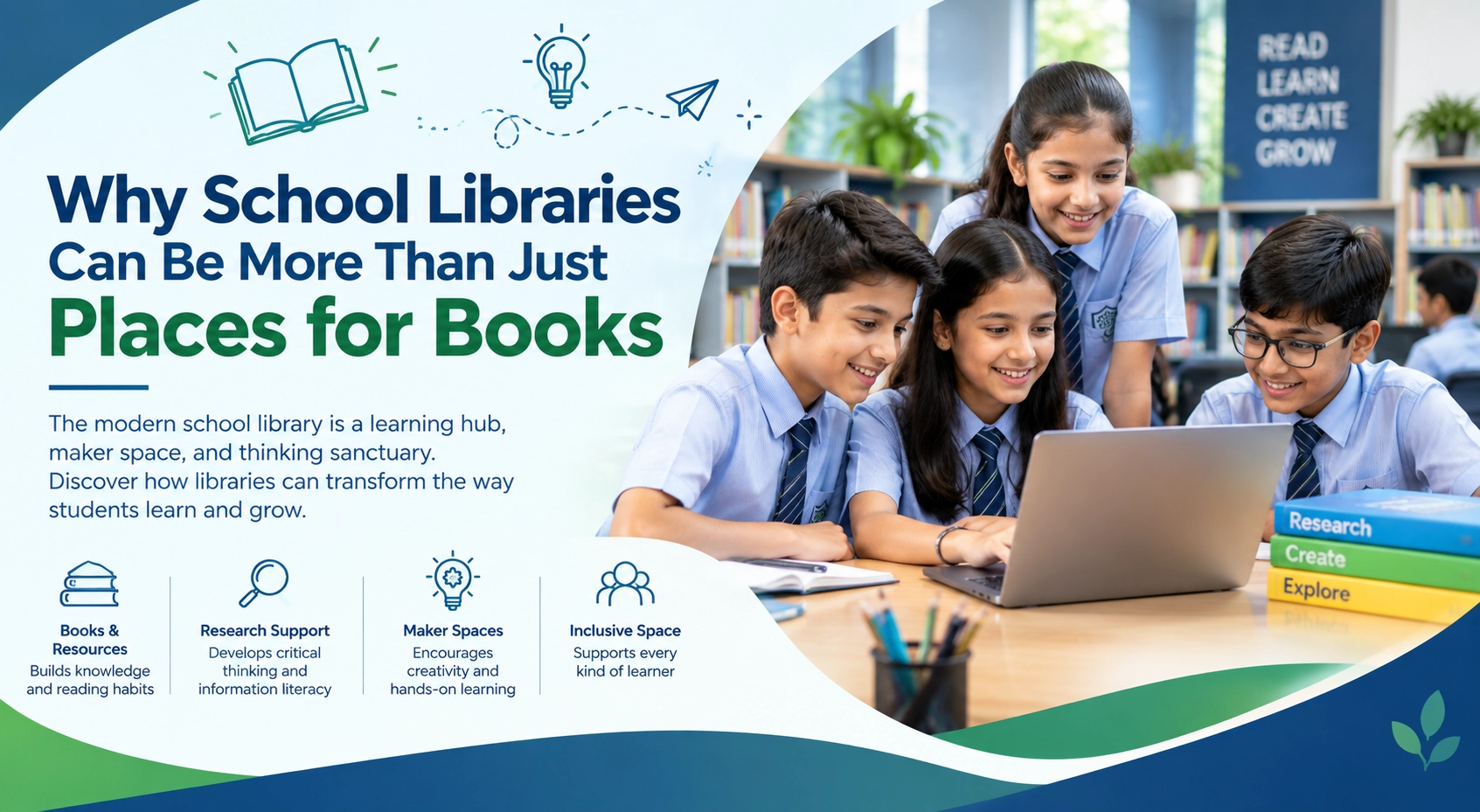
The image most people carry of a school library — hushed rows of shelves, a stern librarian, and the smell of old pages — has been quietly replaced in forward-thinking schools by something far more dynamic. Today’s best school libraries are collaboration spaces, research hubs, maker zones, and quiet retreats, all rolled into one. Yet […]
What Children Can Learn From Visiting a Museum
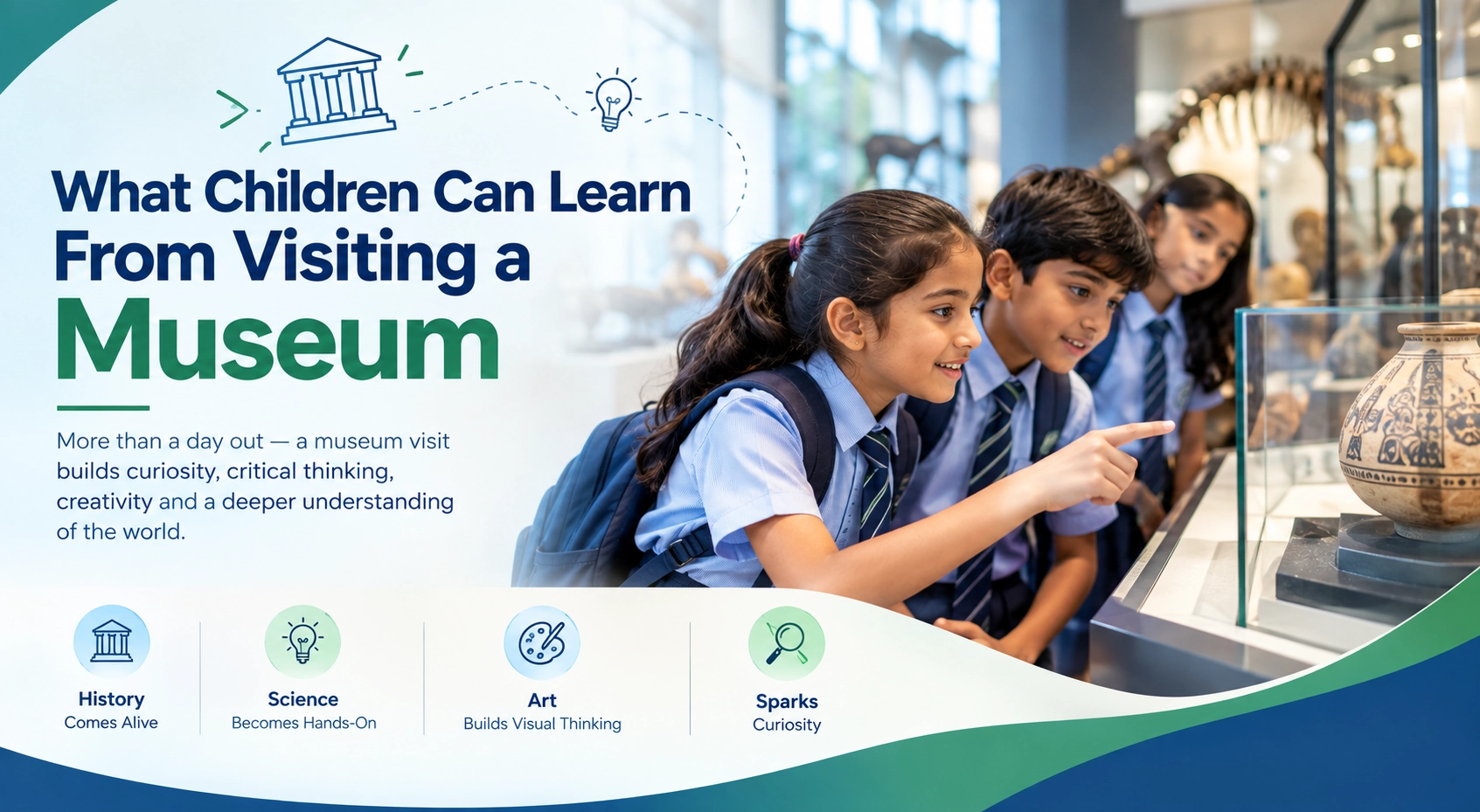
A museum visit might look like a day out — but for a child who’s guided well through the experience, it’s one of the richest learning environments available. Unlike a classroom, a museum engages all the senses, presents knowledge in context, and allows children to encounter ideas they weren’t expecting. Whether it’s a science museum, […]
Fun Ways to Teach Kids About Money Through Everyday Life
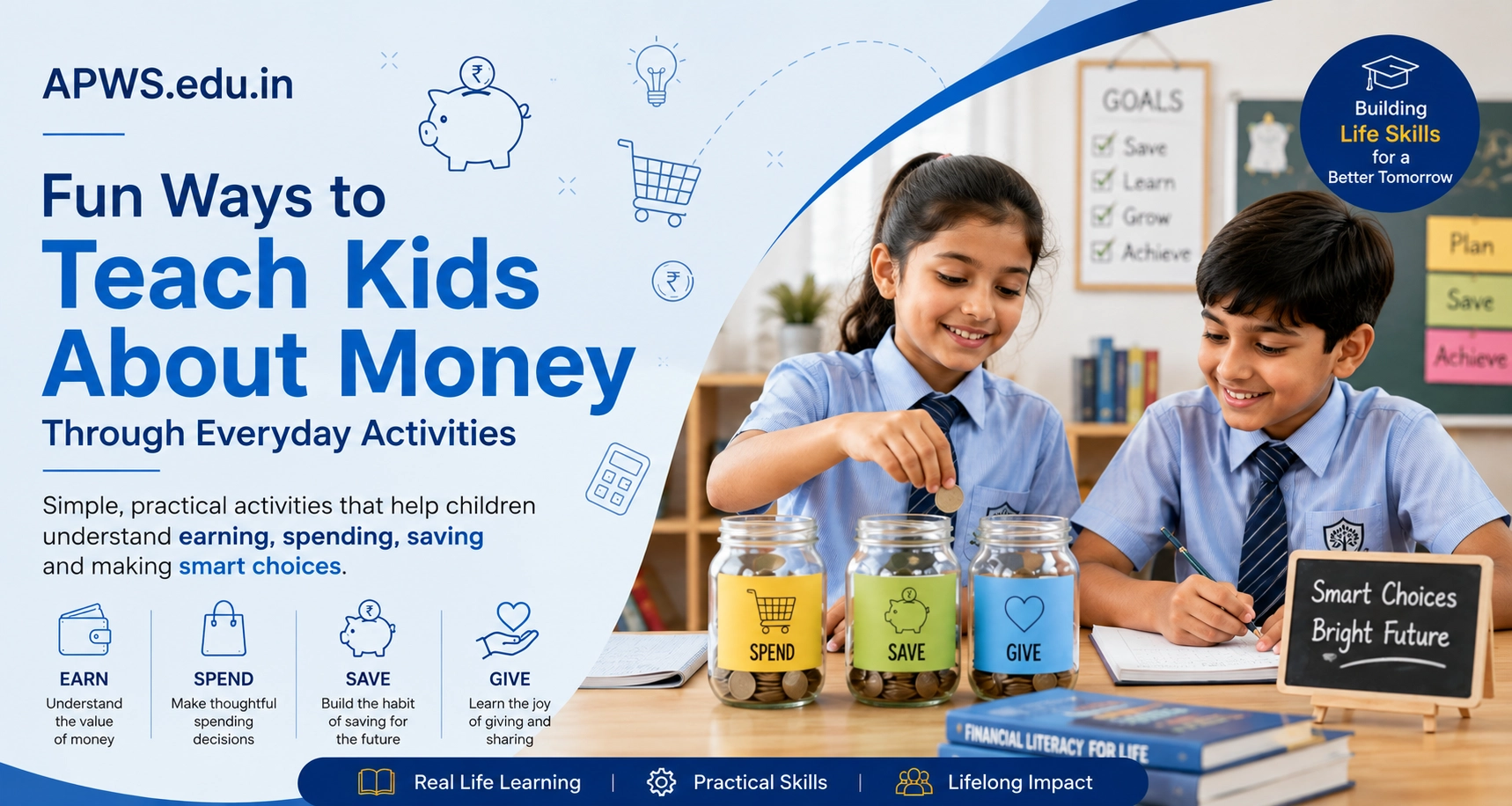
Children absorb far more from the world around them than from textbooks — and money is no exception. The habits, attitudes, and understanding that children build around finances during their early years tend to stay with them long into adulthood. Yet most schools don’t formally teach personal finance until much later, if at all. The […]
The Science of Memory: How Children Learn and Retain Information
The Science of Memory: How Children Learn and Retain Information Memory is the foundation of all learning. Everything a child absorbs in the classroom — from phonics to fractions to historical events — depends on how well their brain encodes, stores, and retrieves that information. Understanding the science of memory helps parents and teachers support […]
The Role of Classroom Discussions in Independent Thinking
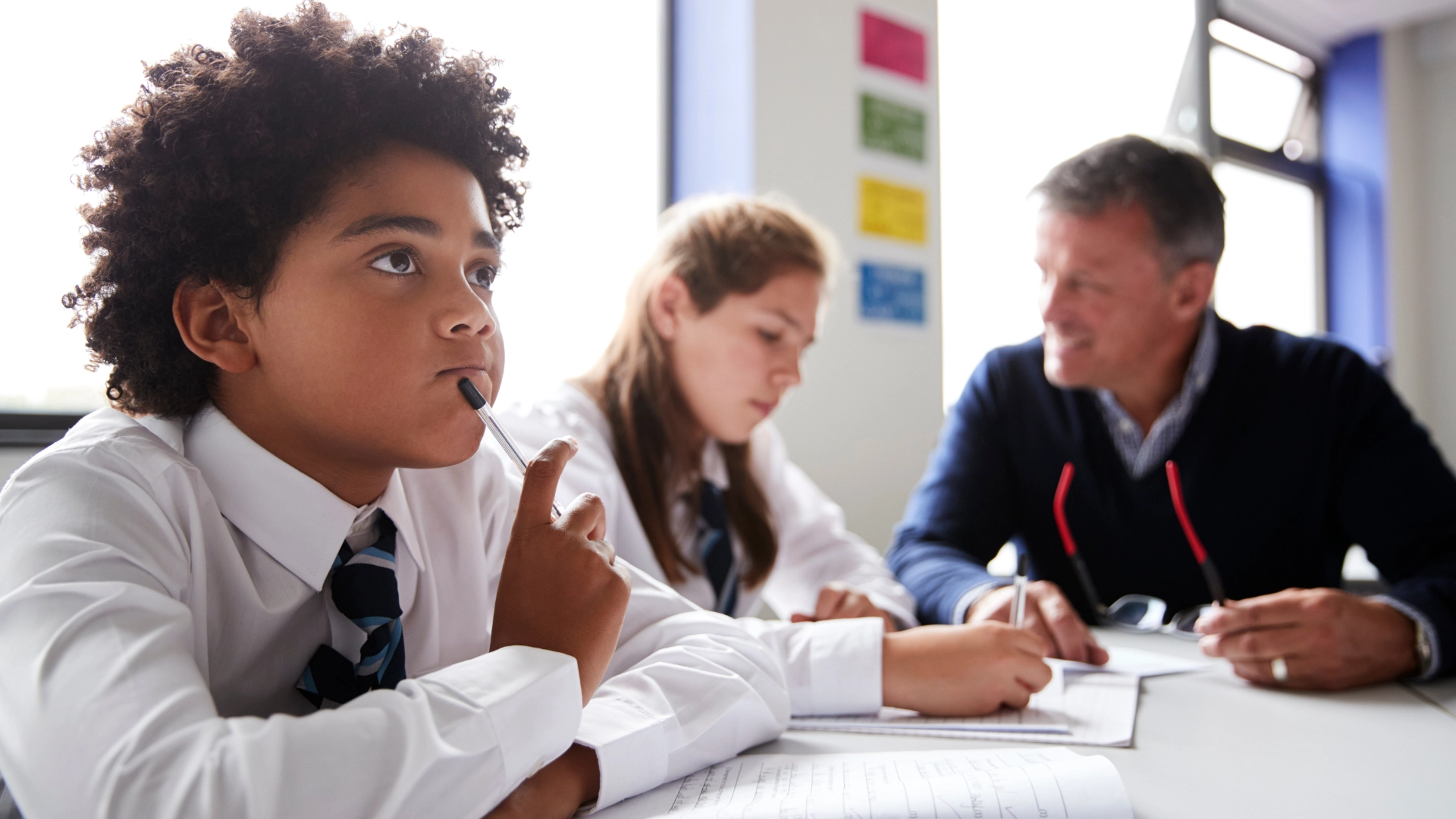
The Role of Classroom Discussions in Developing Independent Thinking A classroom where only the teacher speaks is a classroom where only one person is thinking critically. When students are invited to voice their own ideas, challenge assumptions, and engage with the perspectives of their peers, something more powerful than content delivery happens — they begin […]
Building Emotional Resilience in Children Through School
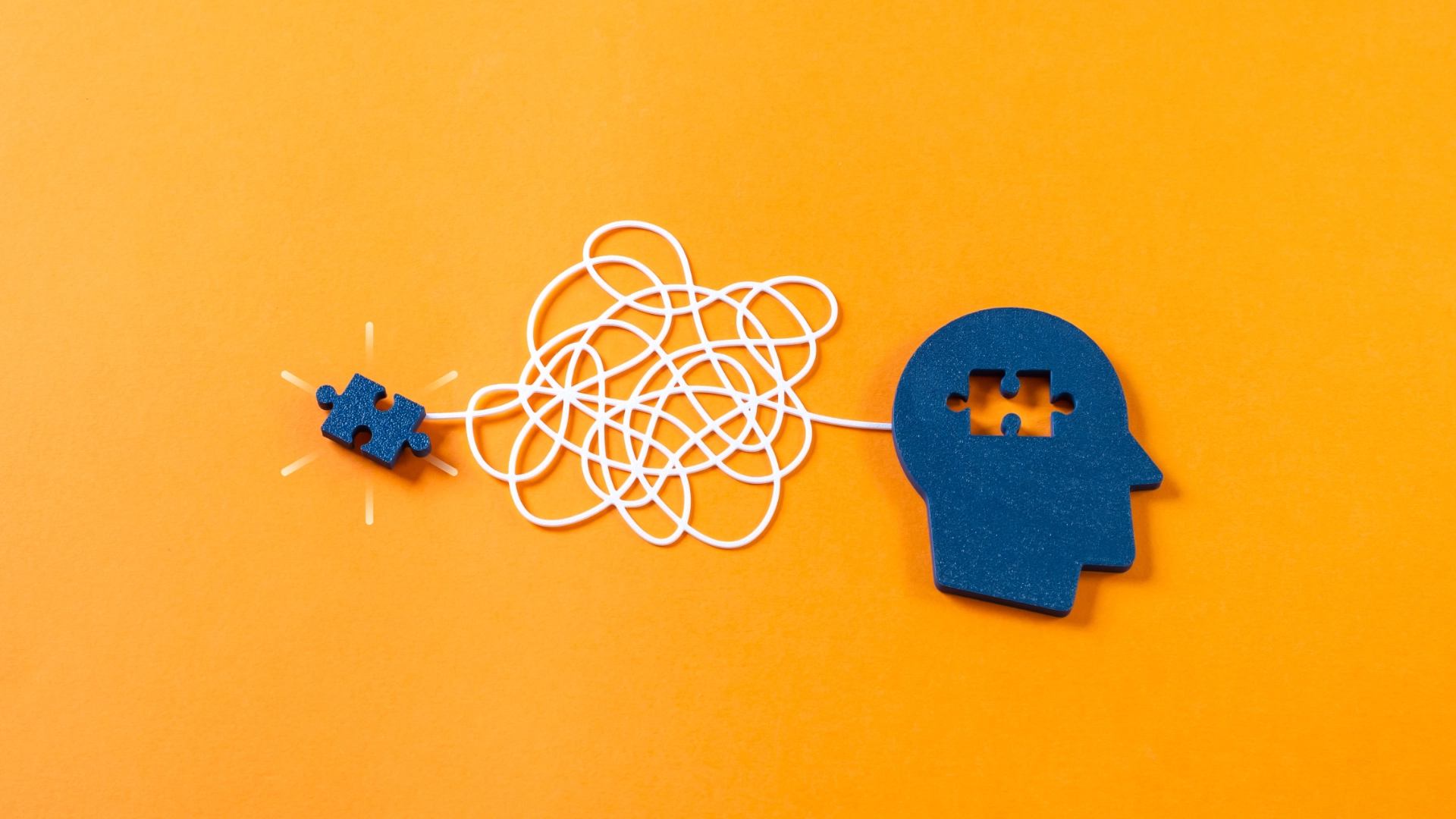
Building Emotional Resilience in Children Through School Experiences Resilience — the ability to recover from setbacks, adapt to change, and keep going despite difficulty — is one of the most valuable qualities a child can develop. While academic skills are often the focus of early education, emotional resilience quietly underpins all of them. A child […]
How Schools Can Foster Innovation and Entrepreneurial Thinking in Students | APWS

Introduction The world young students are growing into looks nothing like the one their parents entered as graduates. Industries shift rapidly, technology reshapes entire job categories within a few years, and the ability to think creatively, adapt quickly, and identify opportunities has become just as valuable as traditional academic knowledge. This is why fostering innovation […]
How School Clubs Help Students Discover Hidden Talents and Interests | APWS

Introduction Many students move through their academic years without ever discovering an interest or talent that, with a little more exposure, might have genuinely shaped their future direction. School clubs offer one of the most accessible, low-pressure ways for students to explore activities outside the regular curriculum, often revealing skills and passions that a standard […]
Why Curiosity Is More Important Than Memorization in Modern Education | APWS

Introduction For generations, success in school was often measured by how much information a student could memorise and accurately reproduce during an exam. While memorisation still has some genuine place in education, modern understanding of how children actually learn, retain, and apply knowledge has shifted the focus considerably toward something arguably more valuable: curiosity. Curiosity […]
Importance of Teamwork Skills in School and Everyday Life

Behind almost every academically successful, emotionally grounded, and personally disciplined student, you will find a consistent daily routine. This is not a coincidence. Routines are not merely organisational conveniences — they are neurological and psychological tools that reduce decision fatigue, build self-discipline, create the conditions for deep work, and signal to the brain when it […]