
School Admission Interview: How to Prepare Your Child
What Is a School Admission Interview?
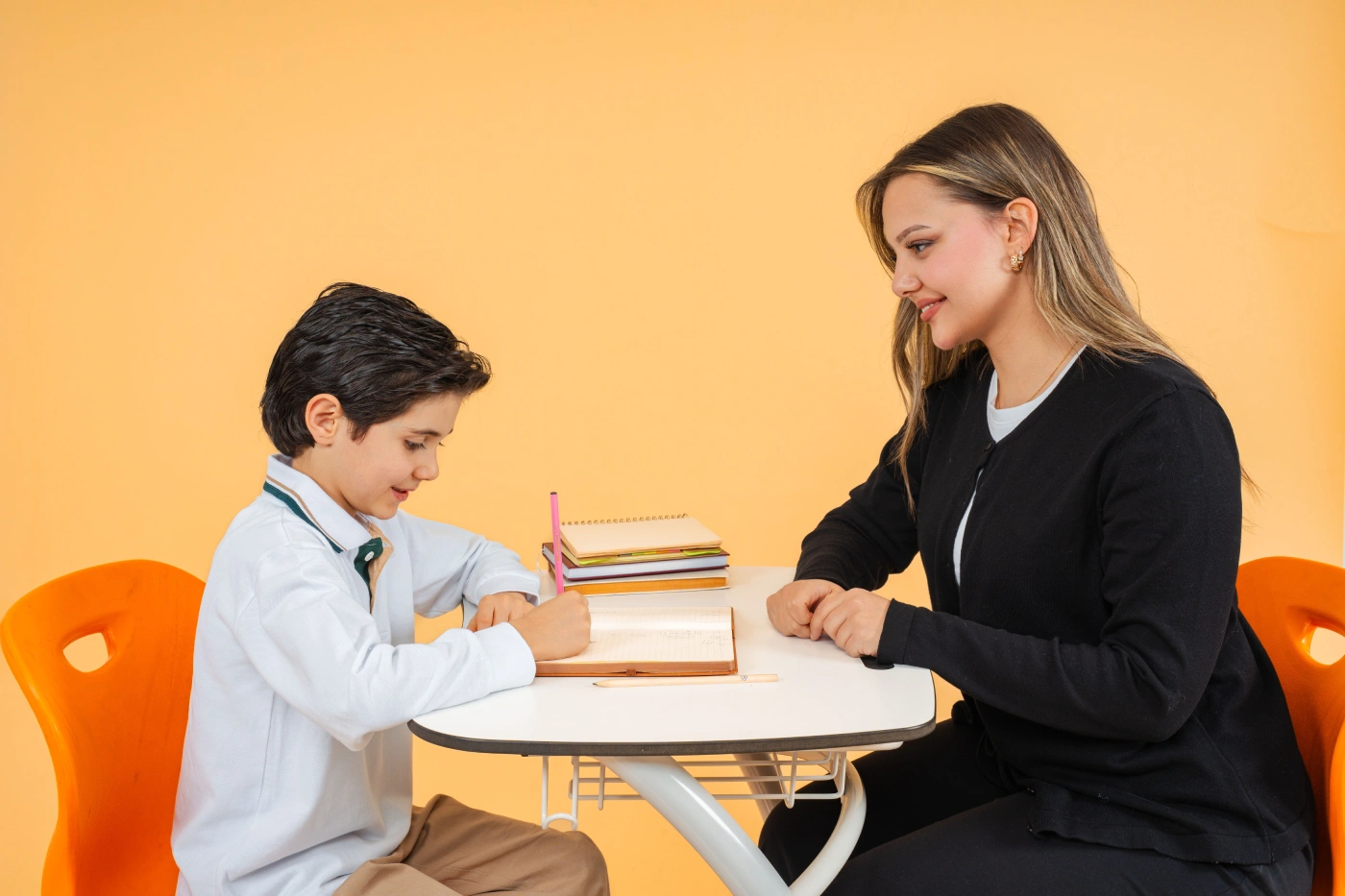
It is a brief meeting between the school team, your child and, in most cases, the parents. The purpose is not to rank children or to find out how much they have memorised. The school wants to understand how your child communicates, how comfortable they are with new people, what their interests are and whether the school can support their learning. It also gives you a chance to understand the school’s approach and ask your own questions.
Formats differ from school to school and from grade to grade, so always follow the instructions the school gives you.
What Schools Usually Look For, by Age
Age or grade | What the interaction usually looks like |
|---|---|
Pre-KG to KG (about 3 to 5 years) | Informal and play-based. The teacher observes how the child greets, speaks, follows a simple instruction and settles away from parents for a few minutes |
Grades 1 to 5 | A short conversation, along with simple reading, writing or number activities suited to the child’s age |
Grades 6 to 9 | A conversation about interests and school life, with a basic assessment in key subjects, depending on the school |
Grades 10 to 11 | A discussion about subject choices and goals, and a review of previous marks. Senior-grade entry may also depend on the stream, such as Commerce or Science |
School Admission Interview Questions for Children
You do not need to rehearse answers. It helps to know the kind of questions, so that nothing sounds strange to your child.
For young children (nursery and KG)
- Basic details. “What is your name?”, “How old are you?”, “Who came with you today?”
- Likes and daily life. “What is your favourite food, toy or cartoon?”, “What do you like to play?”
- Simple recognition. Colours, shapes, animals, fruits and counting up to a small number
- Simple instructions. “Pick up the red block” or “Put the ball in the box”
- Rhymes and stories. A rhyme the child knows, or a few words about a picture
For primary and middle grades
- About them. “Tell us about yourself”, “What are your hobbies?”, “What do you do after school?”
- About learning. “Which subject do you enjoy most?”, “What was the last book you read?”
- About friends and values. “What would you do if a friend were sad?”
- About the move. “Why do you want to join this school?” (for transfers, asked in a gentle way)
Parent Interview Questions for School Admission
Parents are part of the conversation. Nursery admission interview questions for parents tend to be about your child’s routine and your expectations, not about your qualifications. You may be asked:
- About your child. Their strengths, interests, habits, sleep and eating routine, and anything the school should know
- About the home. Who looks after the child, which language is spoken at home and how the day is structured
- About your choice. Why you chose this school and what you expect from it
- About support. How you plan to be involved in your child’s learning, and how you handle homework and screen time
- About the previous school. For transfers, the reason for the change, asked politely
Answer honestly and keep it short. Schools notice when answers sound rehearsed.
How to Prepare Your Child for a School Interview: 6 Simple Steps
1. Talk about the visit in a positive way
Tell your child they are going to see a new school and meet kind teachers. Avoid phrases such as “behave well or they will not take you”. Pressure travels quickly to a young child.
2. Practise everyday conversation
Chat at meals and on the way home. Ask about the day, a toy, a picture or a story. Children who are used to talking with adults find an interview far easier.
3. Teach a simple self-introduction
Help your child say their name, age and one thing they like. For older children, a few sentences about hobbies and favourite subjects are enough. Do not script it word for word.
4. Practise short separations
Younger children may be asked to stay with the teacher for a few minutes. Play short games where you step out of sight and come back, so that a few minutes without you feels normal.
5. Keep the routine normal
Make sure your child has slept well and eaten before the visit. Choose comfortable clothes, and plan to arrive a little early so that nobody is rushing.
6. Revise lightly, not heavily
A quick look at colours, numbers, letters or a favourite rhyme is plenty for young children. Older children can revise basics in their strongest subjects and think about what they want to ask the school.
How to Prepare Yourself as a Parent
- Read about the school. Know its curriculum, CBSE or IGCSE options, facilities and values, so your questions are meaningful
- Keep the documents ready. Carry the originals and copies listed by the school, such as birth proof, photographs and previous school records for transfers
- Write down your questions. Fees, transport, safety, class size and how the school communicates with parents are good starting points
- Stay relaxed. Children copy your mood. If you are calm, they are more likely to be calm
- Let your child answer. Do not speak for them or whisper answers. Step in only if the teacher asks you to
Common Mistakes to Avoid
- Over-coaching. Memorised answers sound unnatural and can make a child anxious
- Comparing children. Every child is different, and comparison adds stress
- Promising rewards for “perfect” answers. It makes the interview feel like a test
- Showing nervousness. Repeated reminders, last-minute drills and a tense voice all affect the child
- Hiding information. Share anything the school should know about your child’s health, learning or behaviour, so that support can be planned early
- Being late. Hurrying makes everyone stressed before the meeting even starts
What to Do After the Interview
Praise your child for going, whatever happened inside. Avoid questioning them about every answer. Then wait for the school’s update and complete the next steps on time. If you have more questions about the process, the admissions team can help.
FAQs
1. What questions are asked in a school admission interview?
Young children are usually asked simple questions about their name, age, family, likes and basic colours, shapes and numbers. Older children may be asked about hobbies, favourite subjects and books. Parents are asked about the child’s routine, strengths and why they chose the school.
2. Is the school admission interview an exam?
No. For young children it is a friendly interaction to see how they communicate and settle. For older grades there may be a short assessment, but the aim is to understand the child and plan support, not to pass or fail them.
3. How do I prepare my child for a KG admission interview?
Chat every day, practise a simple self-introduction, revise colours, shapes and a rhyme lightly, try short separations and keep the routine normal. Do not drill or script the answers.
4. What should parents say in a school interview?
Be honest, calm and brief. Talk about your child’s strengths and habits, why you chose the school and how you will support learning at home. Ask your own questions too.
5. What if my child is shy or does not speak in the interview?
It is common and teachers are used to it. Let your child take their time and tell the teacher about their nature in advance. Schools look at overall comfort and behaviour, not only speech.
6. What documents are needed for school admission?
Requirements differ by school and grade, but they usually include birth proof, photographs, address proof and previous school records for transfers. Check the exact list with the school before the visit.
Meet the Team at Asia Pacific World School
At Asia Pacific World School, the admission process involves an application form, the required documents and an admission interview. Parents can also look at the infrastructure and learn about both CBSE and IGCSE pathways before deciding. To see the campus, book a campus tour or contact the school, call +91 78999 19665 or email admission@apws.edu.in. Admissions are open for 2027–28, and you can see the admission details when you are ready.